
A Guide To Engineered Wood Flooring For Homeowners
Choosing the right flooring is one of the most significant decisions in residential projects. Bespoke engineered wood sits between practical and aesthetically pleasing. For architects and designers agreeing on materials on behalf of clients, understanding exactly how it works makes that conversation far simpler. Here is a guide to engineered wood flooring for homeowners, covering construction and wear layers, finishes, installation and board dimensions – so you can specify what you want with confidence, giving designers and architects the clarity they need to make informed decisions.
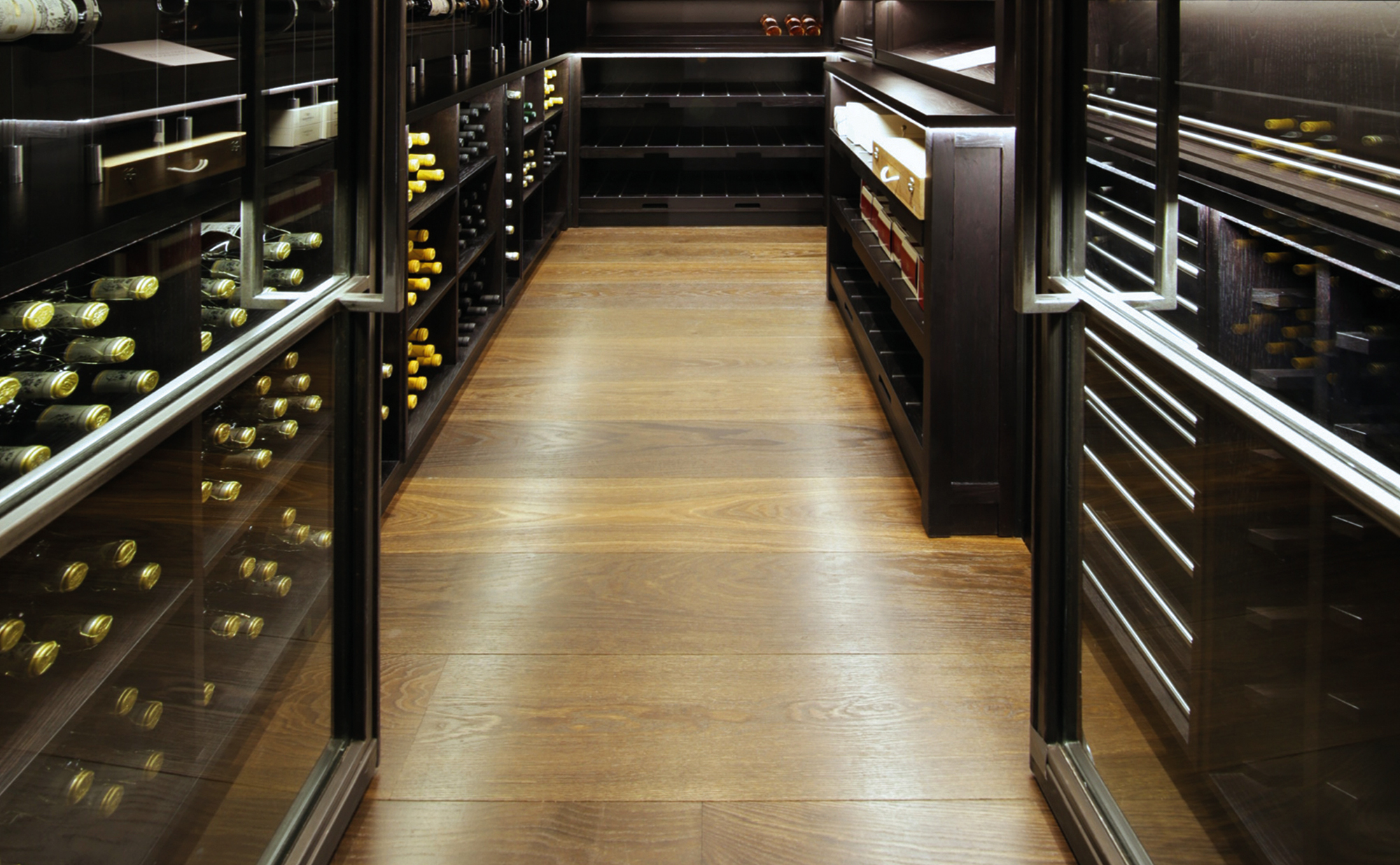
What Is Engineered Wood Flooring?
Engineered wood flooring is a multi-layer construction product, a hardwood veneer, the wear layer, sits on top of several bonded core layers. At WFA, our stability engineered range uses quality birch plywood as its core, giving each board its dimensional stability, allowing it to operate well in environments where solid wood would expand, contract or warp under changing humidity and temperature.
This results in a floor that looks, feels and sounds like solid wood but handles real life conditions a lot better.
Why Specify It For Your Clients?
Homeowners are often drawn to the warmth and character of wood floors but concerns centre around durability or underfloor heating compatibility. Engineered wood eliminates these concerns – it is compatible with underfloor heating and is built to last.
Key advantages:
- Works with underfloor heating systems (wet & electric), depending on board specification
- Greater resistance to moisture fluctuation than solid wood, suitable for kitchens, hallways & open-plan living areas
- Available in a wide range of species, widths & finishes
- Can be sanded & refinished multiple times, depending on wear layer thickness
- Usually faster to install than solid wood, floating & glue down options available
Understanding Wear Layer Thickness
The wear layer – the top hardwood veneer – is one of the most important specifications to check. Thinner layers suit areas with less footfall and budget conscious projects and thicker layers allow for multiple refinishes over the floor lifetime, which is often key to homeowners planning a long-term investment. Our team at WFA can advise on the right specification for your residential project.
Practical Considerations For London Projects
As well as the finish defining the look, the maintenance requirements also depend on the chosen finish.
- Lacquered finishes provide a durable, sealed surface – easy to clean & ideal for busy households
- Oiled finishes penetrate the wood, giving a more natural look & feel. These require periodic re-oiling & are simpler to repair in isolated areas
- Brushed & smoked treatments add visual texture & depth, often chosen for contemporary or characterful interiors.
Specifying your desired outcome from early in the project means that you can avoid costly alterations later along the line.
Installation & Subfloor Considerations
Subfloor conditions have an impact on the final result, engineered wood requires a flat, dry and structurally solid base. Moisture readings should be taken before installation – a step WFA can advise on as part of the specification process.
For floating installations, an acoustic underlay is recommended to reduce impact sound transmission between floors, which is relevant in multi-storey homes and apartments. Glue down methods offer a more rigid, permanent finish and are often preferred where underfloor heating is in use, as they maximise thermal conductivity between the heat source and the board above.
Choosing The Right Board Width & Length
Board dimensions have a bigger impact on the final look of a room than many clients anticipate. Wider boards (180mm and above) usually suit larger, open plan spaces, creating a sense of continuity. Narrower boards work well in period properties or smaller rooms where a traditional strip floor aesthetic fits the architecture. Longer boards reduce the number of end joints across a room, which can make a space feel less busy. Sharing a few visual references with architects and designers early in the process can help align expectations before samples are ordered.
View our collections online or get in touch with us today to speak to a member of our team.